The Scottish Government is selling surveillance planes to save money and says drones are used to prevent illegal fishing. But critics argue that losing experienced pilots could mean criminality goes unchecked.
Ithaca Energy announced a major dividend on the eve of UK sanctions against companies operating in illegal Israeli settlements. A few weeks later it paid out £100m to a shareholder the UN says has ‘direct links’ to the occupied territories.
Prospective MSPs are legally required to evidence their election spending and confirm the records are correct. Following an investigation by The Ferret, Police Scotland is examining whether nine Reform UK candidates failed to do so.
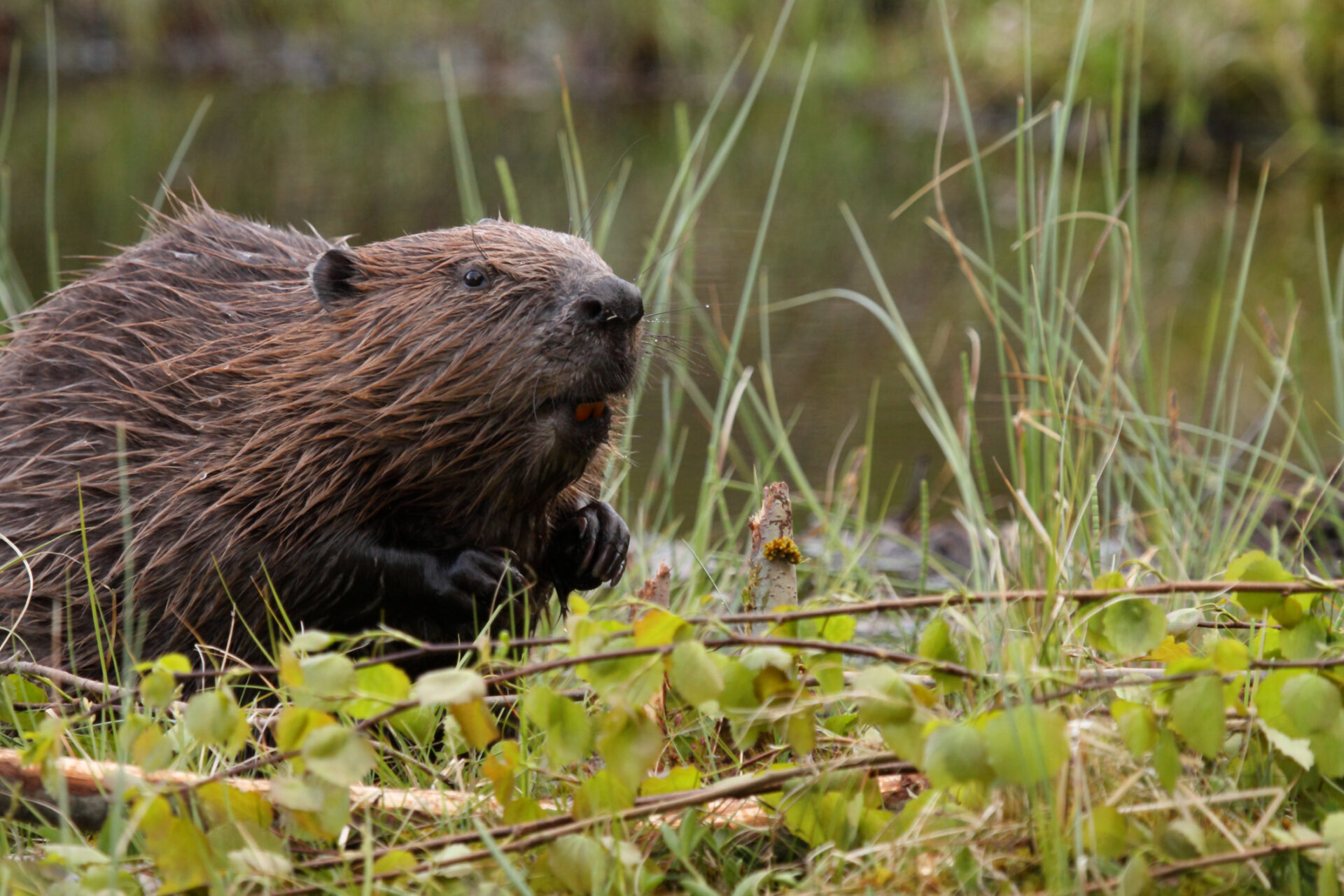
A beaver named Fig is recovering after a member of the public found him on a Scottish roadside with bullet wounds from a botched shooting.
The distressed animal had been shot in the face, damaging his vital upper incisors – which beavers use to gnaw down the tree stems they eat – and peppering him with shrapnel.
Fresh calls have been made by conservationists to tighten up the rules around the culling of beavers, as a result of Fig’s injuries.
The SSPCA has not revealed exactly where Fig was found, but said they found the dazed animal wandering on a Perthshire roadside. The River Tay area has a growing population of beavers descended from animals unlawfully released or escaped, and more than 1,000 of them live in the wild in Scotland.
Fig has been recovering at the SSPCA’s National Wildlife Centre near Alloa in Clackmannanshire, and his teeth have grown back as their roots were undamaged – beaver teeth continually renew as they are worn down. A new home in the wild is being organised for him in an area where there are no licences to shoot beavers in place.
It’s quite rare for a beaver to come to us, and we’re pleased to report that Fig’s rehab has been a success, and he is doing really well.”
Chris Hogsden, SSPCA
The centre manager, Chris Hogsden, said: “This beaver, who we have named Fig, came into our care a couple of months ago after he was sadly shot in the Perthshire area. He was found wandering at the side of the road by a member of the public.
“Due to the injuries he sustained, he has undergone extensive rehabilitation at our wildlife hospital. He was shot in the face, taking out his top two incisors and wounding his face.
“It’s quite rare for a beaver to come to us, and we’re pleased to report that Fig’s rehab has been a success, and he is doing really well.”
Animals such as Fig can be shot under licence from government wildlife agency NatureScot, if their dams are causing flooding in farmers’ fields. Some are trapped and moved instead to safe havens, mainly in England.
Beaver advocates – who value the biodiversity their dams create, and say they provide a buffer against flooding – want more beavers to be relocated to places where they are less likely to cause problems, avoiding shootings.
Around 280 beavers have been shot under licence since the Scottish Government made them a protected species in 2019.
James Nairne from the Scottish Wild Beaver Group said: “Horrific incidents like this highlight the negative welfare impact of poor firearm use and of a botched lethal control policy.”
Richard Bunting, spokesperson for the Scottish Rewilding Alliance and the pro-beaver charity Trees for Life, said: “This appalling case is yet another example of why lethal control of beavers needs to be avoided wherever possible.
“Far more urgency needs to be given to replacing beaver culling with relocating these biodiversity-boosting, habitat-creating, flood-preventing animals from where they are unwanted – due to impacts on farmland – to areas where they are welcome.
Fresh calls have been made by conservationists to tighten up the rules around the culling of beavers, as a result of Fig’s injuries. Photo credit: iStock/AlasdairSargent
He continued: “This would help to almost eliminate the licensed killing – some would say needless slaughter – of 10 per cent of Scotland’s beaver population each year, and the associated animal suffering that can go with that, while benefiting farmers at the same time.”
Scottish animal welfare charity OneKind opposes killing of animals for wildlife management. But its policy officer, Kirsty Jenkins, said: “In situations where shooting is deemed necessary, OneKind believes that proficiency tests should be required for any person shooting any species.
“This would reduce the risk of animals being wounded rather than killed instantly, as seems to have been the case here. Such wounding is a serious welfare concern, which in beavers is compounded if they are shot while in the water.
Since relocation of beavers was made possible by the government 18 months ago, only two sites have been licensed by NatureScot to take them. Government woodland agency Forestry and Land Scotland is working on a number of beaver proposals, including a plan to bring them to its woodlands in Glen Affric.
NatureScot said it will be speaking to licensed beaver shooters in the area where Fig was found to “reinforce best practice.”
NatureScot’s statement said: “The Scottish SPCA informed us they had rescued a beaver that had been injured in the Tayside area, and having now been successfully rehabilitated, we have been working closely with them to advise on the animal’s release.
“The beaver will be released in a location within the Tayside and Forth area where there are no licences for lethal control in place.”
Cover image of Fig the beaver thanks to the SSPCA.
Ithaca Energy announced a major dividend on the eve of UK sanctions against companies operating in illegal Israeli settlements. A few weeks later it paid out £100m to a shareholder the UN says has ‘direct links’ to the occupied territories.
A total of 36 boats have been fined £140,000 in the last 10 months for entering Scotland's marine protected areas. But campaigners claim the fines are too small and may not be a sufficient deterrent.
The Scottish Government has continued to back Ming Yang’s proposed investment at Ardersier despite national security concerns. It’s now being accused of a “staggering” failure of due diligence on the firm.